Buy cityscooter.be ?
We are moving the project
cityscooter.be .
Are you interested in purchasing the domain
cityscooter.be ?
domain@kv-gmbh.de · 0541-91531010
Buy cityscooter.be ?
Is trypophobia a disease?
Trypophobia is not officially recognized as a disease by the medical community. It is more accurately described as a specific phobia, which is an intense and irrational fear of a specific object or situation. While trypophobia can cause significant distress and anxiety for those who experience it, it is not classified as a disease. Instead, it is considered a psychological condition that may benefit from therapy or other forms of treatment. **
Does anyone still have trypophobia?
Yes, trypophobia is still a recognized condition that affects some individuals. It is characterized by a fear or aversion to clusters of small holes or bumps. While not officially recognized as a specific phobia in the Diagnostic and Statistical Manual of Mental Disorders (DSM-5), many people still report experiencing symptoms of trypophobia. It is important for those who experience trypophobia to seek support from mental health professionals if it significantly impacts their daily life. **


Similar search terms for Trypophobia
Top-Angebote
Products related to Trypophobia:
-
ADIDAS SPORTSWEAR Baskets Urban CourtDétails produit • Usage sportswear • Talon plat • Fermeture : A lacets Composition et Entretien • Dessus/Tige : 100% autres matériaux • Doublure : 100% textile • Semelle intérieure : 100% textile • Semelle extérieure : 100% caoutchouc50,00 €*Shipping: 3,99 €Secure redirect to the provider
-
PEPE JEANS Baskets Camden UrbanDétails produit • Usage sportswear • Talon plat • Fermeture : A lacets Composition et Entretien • Dessus/Tige : 50% cuir, 45% cuir suédé, 5% polyuréthane • Doublure : 100% polyuréthane • Semelle intérieure : 100% polyuréthane • Semelle extérieure : 100% caoutchouc89,90 €*Shipping: 3,99 €Secure redirect to the provider
-
ElectroPlayer Cravache d'électrostimulation Electric Crop 52cmFaites glisser lentement la Cravache d'électrostimulation Electric Crop 52cm sur la peau. Sensation immédiate. Le corps réagit, curieux, intrigué. L’électricité devient caresse, la caresse devient défi.Jeu d’intensités ⚡La Cravache d'électrostimulation Electric Crop 52cm de ElectroPlayer combine43,99 €*Shipping: 0,00 €Secure redirect to the provider
-
ElectroPlayer Bâton d'électrostimulation Electric Stick 43cmFaites glisser lentement le Bâton d'électrostimulation Electric Stick 43cm sur la peau et laissez la tension monter. Sensuel, précis, intriguant. Chaque mouvement devient une caresse électrisante. Le corps réagit, curieux, entre frisson et plaisir maîtrisé.Jeu d’électricité maîtrisé ⚡Le Bâton50,99 €*Shipping: 0,00 €Secure redirect to the provider




-
"Does trypophobia really affect me?"
If you find that you experience discomfort, anxiety, or distress when exposed to clusters of small holes or bumps, then it is possible that you may be affected by trypophobia. Common triggers for trypophobia include lotus seed pods, honeycombs, and certain types of coral. If you find that these types of images cause a strong emotional or physical reaction, it may be worth seeking support from a mental health professional to better understand and manage your response to trypophobia. **
-
What can be done for Trypophobia?
Treatment for trypophobia typically involves therapy and exposure-based techniques to help individuals manage their fear and anxiety. Cognitive-behavioral therapy (CBT) can be effective in helping individuals change their thought patterns and reactions to trypophobic triggers. Additionally, relaxation techniques and mindfulness practices may also be helpful in reducing anxiety and distress related to trypophobia. It's important for individuals with trypophobia to seek support from a mental health professional to develop a personalized treatment plan that addresses their specific needs and symptoms. **
-
What can I do about my trypophobia?
If you are experiencing trypophobia, it is important to seek support from a mental health professional, such as a therapist or counselor. They can help you understand your triggers and develop coping strategies to manage your symptoms. Additionally, practicing relaxation techniques, such as deep breathing or mindfulness, may help reduce anxiety related to trypophobia. It can also be helpful to avoid triggering images or situations as much as possible. **
-
How can one get rid of trypophobia?
There is no specific cure for trypophobia, as it is not officially recognized as a mental health condition. However, some people find relief through exposure therapy, where they gradually expose themselves to triggering images in a controlled environment to reduce their fear response. Cognitive-behavioral therapy (CBT) can also be helpful in managing the anxiety and distress associated with trypophobia. It's important to seek professional help from a therapist or mental health professional to develop a personalized treatment plan. **

What is trypophobia and what happens to the body?
Trypophobia is a fear or aversion to clusters of small holes or bumps. When someone with trypophobia sees these patterns, they may experience symptoms such as disgust, anxiety, or even panic attacks. These reactions are thought to be triggered by the brain associating the patterns with potential harm or danger, even though there is no actual threat present. **
Why do people with trypophobia have holes in their skin?
People with trypophobia do not actually have holes in their skin. Trypophobia is a fear or aversion to clusters of small holes or bumps, often found in natural objects like lotus seed pods or honeycombs. This fear is thought to be triggered by a subconscious association with danger or disease, as some poisonous animals or skin infections can have similar patterns. The reaction to these clustered holes is believed to be a primal response to potential harm. **
Top-Angebote
Products related to Trypophobia:
-
ADIDAS SPORTSWEAR Baskets Urban CourtDétails produit • Usage sportswear • Talon plat • Fermeture : A lacets Composition et Entretien • Dessus/Tige : 100% autres matériaux • Doublure : 100% textile • Semelle intérieure : 100% textile • Semelle extérieure : 100% caoutchouc50,00 €*Shipping: 3,99 €Secure redirect to the provider
-
PEPE JEANS Baskets Camden UrbanDétails produit • Usage sportswear • Talon plat • Fermeture : A lacets Composition et Entretien • Dessus/Tige : 50% cuir, 45% cuir suédé, 5% polyuréthane • Doublure : 100% polyuréthane • Semelle intérieure : 100% polyuréthane • Semelle extérieure : 100% caoutchouc89,90 €*Shipping: 3,99 €Secure redirect to the provider
-
Is trypophobia a disease?
Trypophobia is not officially recognized as a disease by the medical community. It is more accurately described as a specific phobia, which is an intense and irrational fear of a specific object or situation. While trypophobia can cause significant distress and anxiety for those who experience it, it is not classified as a disease. Instead, it is considered a psychological condition that may benefit from therapy or other forms of treatment. **
-
Does anyone still have trypophobia?
Yes, trypophobia is still a recognized condition that affects some individuals. It is characterized by a fear or aversion to clusters of small holes or bumps. While not officially recognized as a specific phobia in the Diagnostic and Statistical Manual of Mental Disorders (DSM-5), many people still report experiencing symptoms of trypophobia. It is important for those who experience trypophobia to seek support from mental health professionals if it significantly impacts their daily life. **
-
"Does trypophobia really affect me?"
If you find that you experience discomfort, anxiety, or distress when exposed to clusters of small holes or bumps, then it is possible that you may be affected by trypophobia. Common triggers for trypophobia include lotus seed pods, honeycombs, and certain types of coral. If you find that these types of images cause a strong emotional or physical reaction, it may be worth seeking support from a mental health professional to better understand and manage your response to trypophobia. **
-
What can be done for Trypophobia?
Treatment for trypophobia typically involves therapy and exposure-based techniques to help individuals manage their fear and anxiety. Cognitive-behavioral therapy (CBT) can be effective in helping individuals change their thought patterns and reactions to trypophobic triggers. Additionally, relaxation techniques and mindfulness practices may also be helpful in reducing anxiety and distress related to trypophobia. It's important for individuals with trypophobia to seek support from a mental health professional to develop a personalized treatment plan that addresses their specific needs and symptoms. **
Similar search terms for Trypophobia
-
ElectroPlayer Cravache d'électrostimulation Electric Crop 52cmFaites glisser lentement la Cravache d'électrostimulation Electric Crop 52cm sur la peau. Sensation immédiate. Le corps réagit, curieux, intrigué. L’électricité devient caresse, la caresse devient défi.Jeu d’intensités ⚡La Cravache d'électrostimulation Electric Crop 52cm de ElectroPlayer combine43,99 €*Shipping: 0,00 €Secure redirect to the provider
-
ElectroPlayer Bâton d'électrostimulation Electric Stick 43cmFaites glisser lentement le Bâton d'électrostimulation Electric Stick 43cm sur la peau et laissez la tension monter. Sensuel, précis, intriguant. Chaque mouvement devient une caresse électrisante. Le corps réagit, curieux, entre frisson et plaisir maîtrisé.Jeu d’électricité maîtrisé ⚡Le Bâton50,99 €*Shipping: 0,00 €Secure redirect to the provider
-
ElectroPlayer Paddle d'électrostimulation Electric Spank 40cmFrappez avec précision et intensité. Sensuel, direct.Le Paddle d'électrostimulation Electric Spank 40cm de ElectroPlayer mêle l’art du contrôle à la finesse de la technologie. Derrière son allure de paddle classique, il cache un jeu d’impulsions électro qui parcourt la peau et réveille chaque66,99 €*Shipping: 0,00 €Secure redirect to the provider
-
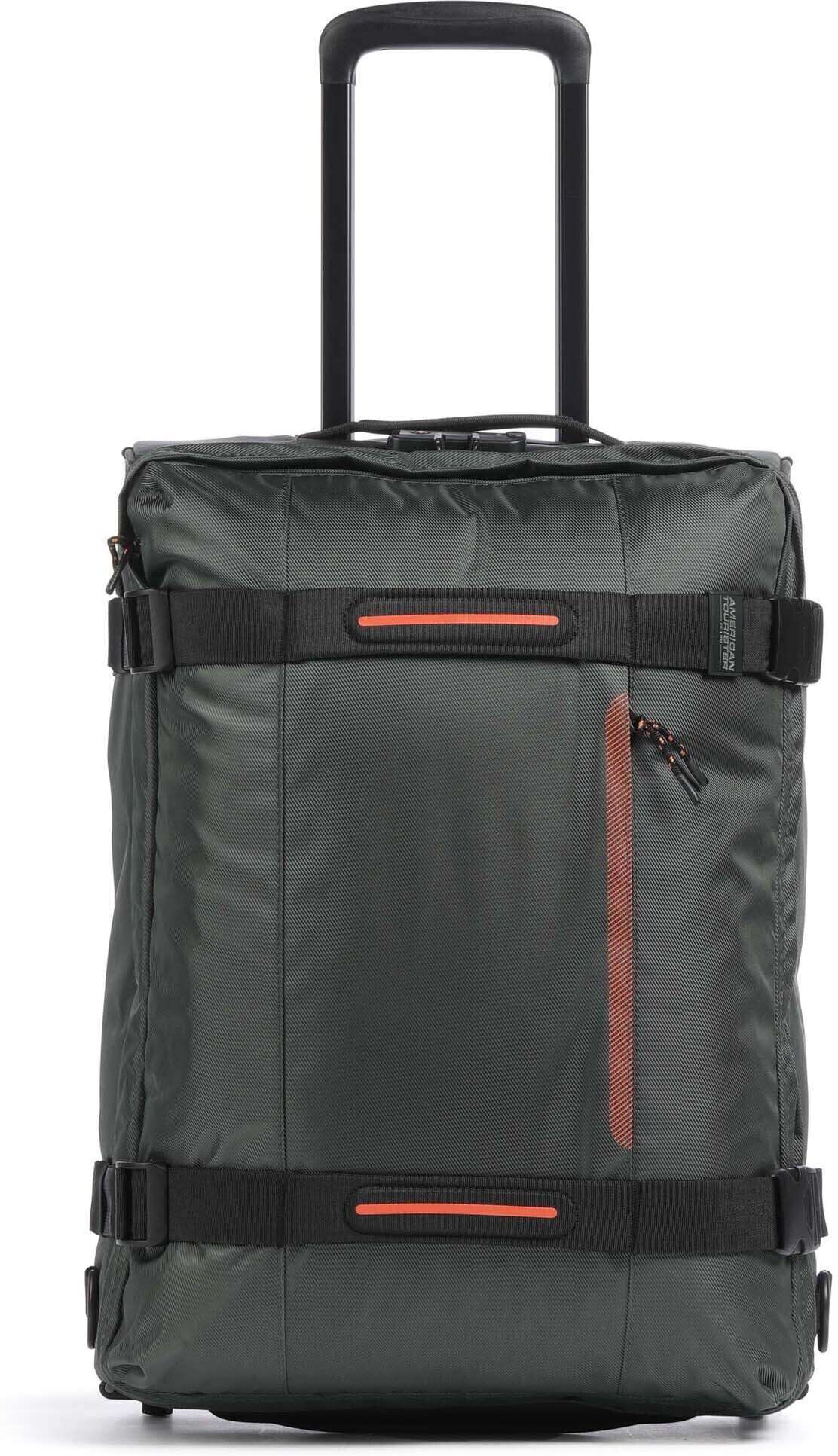
American Tourister Urban Track Rugzak trolley olijfGa je een week op avontuur? De American Tourister Urban Track rugzak met wieltjes is jouw perfecte metgezel, die stijl en praktisch gemak moeiteloos combineert. Gemaakt van duurzaam polyester, is deze zachte maar stevige rugzak uitgerust met een slim twee-wielensysteem en een soepele uittrekbare handgreep met twee armen, zodat je makkelijk door drukke terminals rolt. Binnenin vind je twee hoofdvakken, een gewatteerd laptopvak voor jouw 15-inch laptop en een handig tussenschot met een ritsvak om je spullen georganiseerd te houden. Met een verborgen tweerichtingsritssluiting en een compressieriem om je bagage vast te zetten, is hij ontworpen voor zorgeloos reizen. Klaar om vol vertrouwen op ontdekking te gaan?89,85 €*Shipping: 0,00 €Secure redirect to the provider
-
What can I do about my trypophobia?
If you are experiencing trypophobia, it is important to seek support from a mental health professional, such as a therapist or counselor. They can help you understand your triggers and develop coping strategies to manage your symptoms. Additionally, practicing relaxation techniques, such as deep breathing or mindfulness, may help reduce anxiety related to trypophobia. It can also be helpful to avoid triggering images or situations as much as possible. **
-
How can one get rid of trypophobia?
There is no specific cure for trypophobia, as it is not officially recognized as a mental health condition. However, some people find relief through exposure therapy, where they gradually expose themselves to triggering images in a controlled environment to reduce their fear response. Cognitive-behavioral therapy (CBT) can also be helpful in managing the anxiety and distress associated with trypophobia. It's important to seek professional help from a therapist or mental health professional to develop a personalized treatment plan. **
-
What is trypophobia and what happens to the body?
Trypophobia is a fear or aversion to clusters of small holes or bumps. When someone with trypophobia sees these patterns, they may experience symptoms such as disgust, anxiety, or even panic attacks. These reactions are thought to be triggered by the brain associating the patterns with potential harm or danger, even though there is no actual threat present. **
-
Why do people with trypophobia have holes in their skin?
People with trypophobia do not actually have holes in their skin. Trypophobia is a fear or aversion to clusters of small holes or bumps, often found in natural objects like lotus seed pods or honeycombs. This fear is thought to be triggered by a subconscious association with danger or disease, as some poisonous animals or skin infections can have similar patterns. The reaction to these clustered holes is believed to be a primal response to potential harm. **
* All prices are inclusive of VAT and, if applicable, plus shipping costs. The offer information is based on the details provided by the respective shop and is updated through automated processes. Real-time updates do not occur, so deviations can occur in individual cases. ** Note: Parts of this content were created by AI.