Buy cityscooter.be ?
We are moving the project
cityscooter.be .
Are you interested in purchasing the domain
cityscooter.be ?
domain@kv-gmbh.de · 0541-91531010
Buy cityscooter.be ?
What are oil, natural gas, and coal as energy sources?
Oil, natural gas, and coal are fossil fuels that are formed from the remains of plants and animals that lived millions of years ago. These energy sources are non-renewable and are extracted from the earth to be used for various purposes, such as generating electricity, heating homes, and powering vehicles. However, the burning of fossil fuels releases carbon dioxide and other greenhouse gases into the atmosphere, contributing to climate change. **
What are oil, natural gas, and coal as sources of energy?
Oil, natural gas, and coal are fossil fuels that are formed from the remains of plants and animals that lived millions of years ago. These sources of energy are non-renewable, meaning they cannot be replaced once they are used up. They are commonly used to generate electricity, power vehicles, and heat buildings. However, their extraction and combustion release greenhouse gases and contribute to air pollution and climate change. **


Similar search terms for NATURAL-ENERGY---Vitamine
Top-Angebote
Products related to NATURAL-ENERGY---Vitamine:

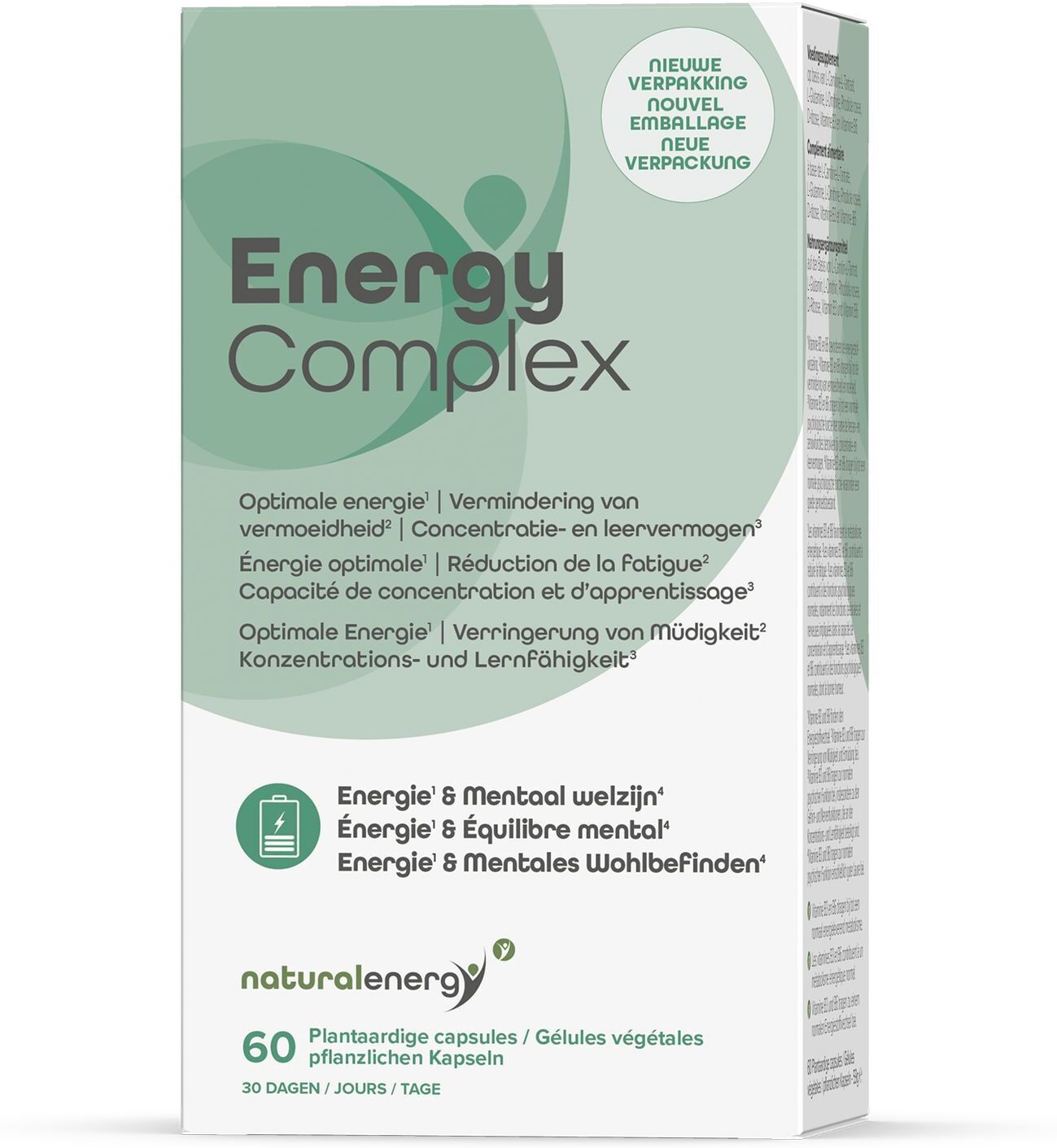


-
How many tons of natural gas are needed for 1000 terawatt hours of energy?
To calculate the amount of natural gas needed for 1000 terawatt hours of energy, we need to consider the energy content of natural gas. On average, natural gas has an energy content of about 1.036 million British thermal units (BTU) per thousand cubic feet. To convert terawatt hours to BTU, we can use the conversion factor 1 terawatt hour = 3.412 x 10^12 BTU. Therefore, for 1000 terawatt hours, we would need approximately 3.412 x 10^15 BTU. If we assume an average energy content of natural gas, we can calculate that approximately 3.3 trillion cubic feet of natural gas, or about 100 million metric tons, would be needed for 1000 terawatt hours of energy. **
-
What is a sustainable solution for the energy crisis?
A sustainable solution for the energy crisis involves transitioning to renewable energy sources such as solar, wind, and hydroelectric power. By investing in and expanding the use of these clean energy sources, we can reduce our reliance on fossil fuels and decrease greenhouse gas emissions. Additionally, improving energy efficiency in buildings, transportation, and industrial processes can help to conserve energy and reduce overall demand. Finally, promoting energy conservation and educating the public about the importance of sustainable energy practices can also contribute to a long-term solution for the energy crisis. **
-
How is electrical energy converted into thermal energy in the electric kettle?
Electrical energy is converted into thermal energy in an electric kettle through the process of resistive heating. When the kettle is plugged in, an electric current flows through a resistive heating element inside the kettle. This resistance in the element causes the electrical energy to be converted into heat, which in turn heats up the water inside the kettle. The thermal energy produced by the resistive heating element then transfers to the water, raising its temperature and eventually boiling it. **
-
Why are oil, natural gas, and coal not examples of sustainable resources?
Oil, natural gas, and coal are not examples of sustainable resources because they are finite and non-renewable sources of energy. Once these resources are extracted and burned, they cannot be replaced within a human lifetime. Additionally, the extraction and burning of these fossil fuels contribute to environmental degradation and climate change. Therefore, relying on these resources for energy production is not sustainable in the long term. **


Does electric energy flow through a conductor?
Yes, electric energy does flow through a conductor. When a voltage is applied across a conductor, it creates an electric field that causes the flow of electric charge, which is the movement of electrons. This flow of electrons through the conductor is what we refer to as electric current, and it is how electric energy is transmitted from one point to another. **
Are there very energy-efficient electric heaters?
Yes, there are electric heaters that are very energy-efficient. Some electric heaters are designed with advanced technology such as infrared heating elements or ceramic heating elements, which can provide efficient and targeted heat while using less energy. Additionally, some electric heaters come with programmable thermostats and energy-saving modes to help reduce energy consumption. It's important to look for heaters with high energy efficiency ratings and features that can help save energy and reduce electricity costs. **
Top-Angebote
Products related to NATURAL-ENERGY---Vitamine:
-
What are oil, natural gas, and coal as energy sources?
Oil, natural gas, and coal are fossil fuels that are formed from the remains of plants and animals that lived millions of years ago. These energy sources are non-renewable and are extracted from the earth to be used for various purposes, such as generating electricity, heating homes, and powering vehicles. However, the burning of fossil fuels releases carbon dioxide and other greenhouse gases into the atmosphere, contributing to climate change. **
-
What are oil, natural gas, and coal as sources of energy?
Oil, natural gas, and coal are fossil fuels that are formed from the remains of plants and animals that lived millions of years ago. These sources of energy are non-renewable, meaning they cannot be replaced once they are used up. They are commonly used to generate electricity, power vehicles, and heat buildings. However, their extraction and combustion release greenhouse gases and contribute to air pollution and climate change. **
-
How many tons of natural gas are needed for 1000 terawatt hours of energy?
To calculate the amount of natural gas needed for 1000 terawatt hours of energy, we need to consider the energy content of natural gas. On average, natural gas has an energy content of about 1.036 million British thermal units (BTU) per thousand cubic feet. To convert terawatt hours to BTU, we can use the conversion factor 1 terawatt hour = 3.412 x 10^12 BTU. Therefore, for 1000 terawatt hours, we would need approximately 3.412 x 10^15 BTU. If we assume an average energy content of natural gas, we can calculate that approximately 3.3 trillion cubic feet of natural gas, or about 100 million metric tons, would be needed for 1000 terawatt hours of energy. **
-
What is a sustainable solution for the energy crisis?
A sustainable solution for the energy crisis involves transitioning to renewable energy sources such as solar, wind, and hydroelectric power. By investing in and expanding the use of these clean energy sources, we can reduce our reliance on fossil fuels and decrease greenhouse gas emissions. Additionally, improving energy efficiency in buildings, transportation, and industrial processes can help to conserve energy and reduce overall demand. Finally, promoting energy conservation and educating the public about the importance of sustainable energy practices can also contribute to a long-term solution for the energy crisis. **
Similar search terms for NATURAL-ENERGY---Vitamine
-
Natural Energy Hepudrain 60 CapsulesVpharma Connect - NATURAL ENERGY - contient les ingrédients actifs chardon-Marie, artichaut, boldo, choline, curcuma et N-Acetyl Cystéine. La choline contribue au maintien d'une fonction hépatique normale.33,20 €*Shipping: 2,99 €Secure redirect to the provider
-
How is electrical energy converted into thermal energy in the electric kettle?
Electrical energy is converted into thermal energy in an electric kettle through the process of resistive heating. When the kettle is plugged in, an electric current flows through a resistive heating element inside the kettle. This resistance in the element causes the electrical energy to be converted into heat, which in turn heats up the water inside the kettle. The thermal energy produced by the resistive heating element then transfers to the water, raising its temperature and eventually boiling it. **
-
Why are oil, natural gas, and coal not examples of sustainable resources?
Oil, natural gas, and coal are not examples of sustainable resources because they are finite and non-renewable sources of energy. Once these resources are extracted and burned, they cannot be replaced within a human lifetime. Additionally, the extraction and burning of these fossil fuels contribute to environmental degradation and climate change. Therefore, relying on these resources for energy production is not sustainable in the long term. **
-
Does electric energy flow through a conductor?
Yes, electric energy does flow through a conductor. When a voltage is applied across a conductor, it creates an electric field that causes the flow of electric charge, which is the movement of electrons. This flow of electrons through the conductor is what we refer to as electric current, and it is how electric energy is transmitted from one point to another. **
-
Are there very energy-efficient electric heaters?
Yes, there are electric heaters that are very energy-efficient. Some electric heaters are designed with advanced technology such as infrared heating elements or ceramic heating elements, which can provide efficient and targeted heat while using less energy. Additionally, some electric heaters come with programmable thermostats and energy-saving modes to help reduce energy consumption. It's important to look for heaters with high energy efficiency ratings and features that can help save energy and reduce electricity costs. **
* All prices are inclusive of VAT and, if applicable, plus shipping costs. The offer information is based on the details provided by the respective shop and is updated through automated processes. Real-time updates do not occur, so deviations can occur in individual cases. ** Note: Parts of this content were created by AI.