Buy cityscooter.be ?
We are moving the project
cityscooter.be .
Are you interested in purchasing the domain
cityscooter.be ?
domain@kv-gmbh.de · 0541-91531010
Buy cityscooter.be ?
What are the differences between covalent bonds, metallic bonds, and ionic bonds?
Covalent bonds are formed when two atoms share electrons, resulting in a strong bond between the atoms. Metallic bonds occur between metal atoms, where the electrons are delocalized and free to move throughout the structure, creating a strong bond. Ionic bonds are formed between a metal and a nonmetal, where one atom transfers electrons to the other, resulting in the formation of positively and negatively charged ions that are attracted to each other. Overall, covalent bonds involve electron sharing, metallic bonds involve electron delocalization, and ionic bonds involve electron transfer. **
Do CO bonds form with other CO bonds?
No, CO bonds do not typically form with other CO bonds. Carbon monoxide (CO) is a stable molecule with a triple bond between the carbon and oxygen atoms. This triple bond is strong and does not readily form additional bonds with other CO molecules. Instead, CO molecules tend to interact with other types of molecules through various types of chemical reactions. **


Similar search terms for Bonds
Top-Angebote
Products related to Bonds:
-
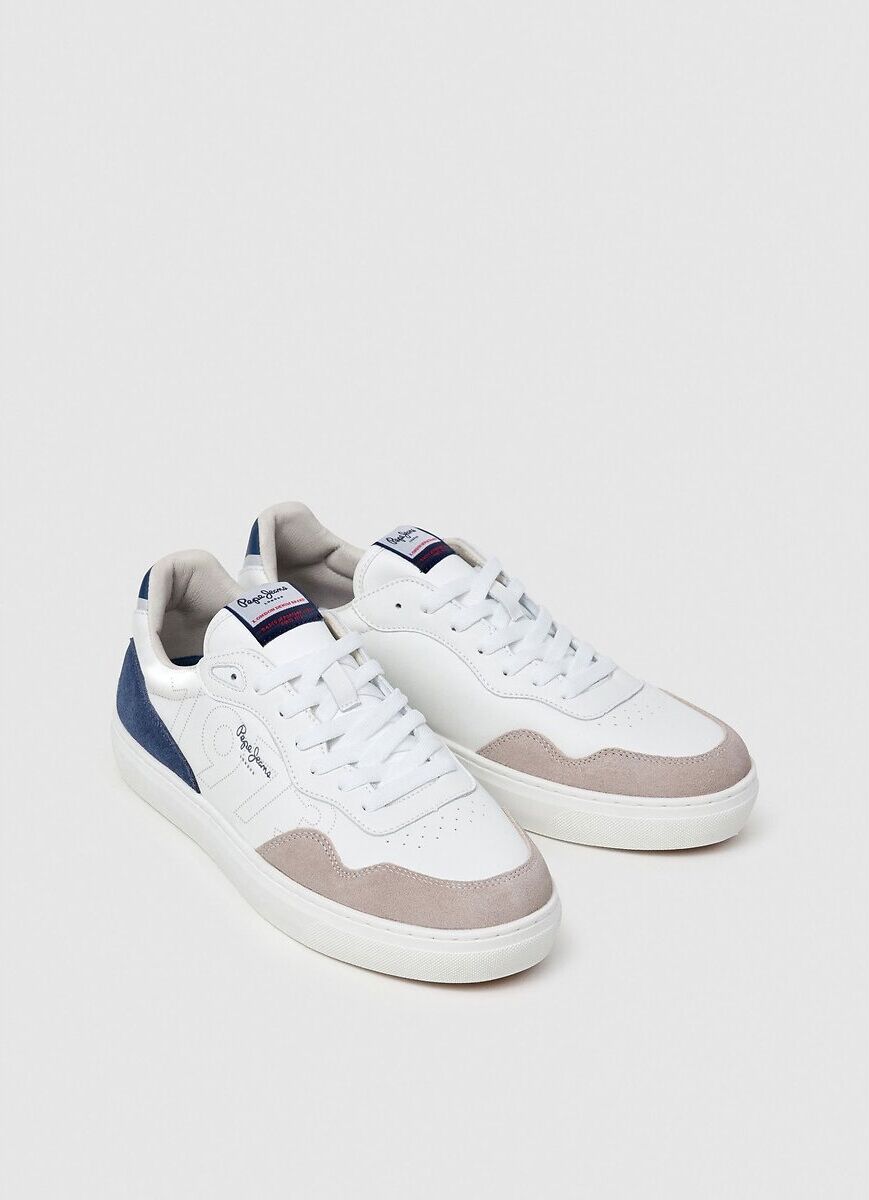
PEPE JEANS Baskets Camden UrbanDétails produit • Usage sportswear • Talon plat • Fermeture : A lacets Composition et Entretien • Dessus/Tige : 50% cuir, 45% cuir suédé, 5% polyuréthane • Doublure : 100% polyuréthane • Semelle intérieure : 100% polyuréthane • Semelle extérieure : 100% caoutchouc62,93 €*Shipping: 3,99 €Secure redirect to the provider
-
PALLADIUM Baskets Montantes Pampa Hi Urban LayerDétails produit • Baskets montantes • Usage sportswear • Talon plat • Fermeture : A lacets Composition et Entretien • Dessus/Tige : 100% coton • Doublure : 100% polyester • Semelle intérieure : 100% polyester • Semelle extérieure : 100% caoutchouc • OEKO-TEX® Standard 100. La certification OEKO-TEX® Standard 100 contrôle les substances nocives des produits textiles via un label indépendant et international.59,50 €*Shipping: 3,99 €Secure redirect to the provider
-
ADIDAS SPORTSWEAR Polaire demi-zip Urban OutdoorDétails produit • Col montant • Manches longues • Fermeture zippée • Longueur : standard Composition et Entretien • 100% polyester • Pour l'entretien, merci de vous référer aux indications figurant sur l'étiquette du produit52,00 €*Shipping: 3,99 €Secure redirect to the provider
-
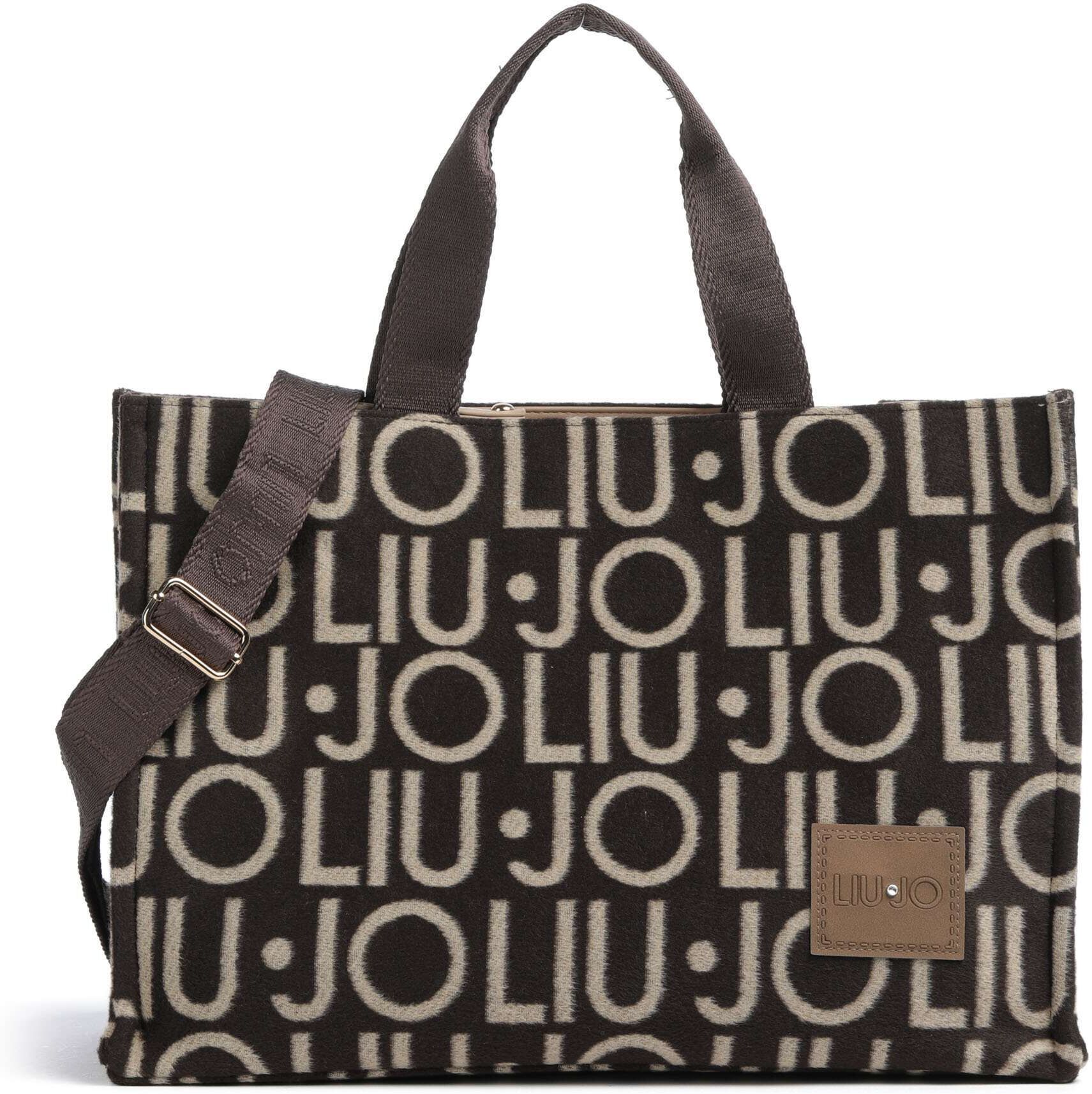
Liu Jo Urban Bohemian L Boodschappentas bruinDeze Liu Jo shopper uit de Urban Bohemian serie combineert moeiteloos de huidige urban chic met een praktisch ontwerp. Gemaakt van zacht polyester dat zowel duurzaamheid als stijl garandeert. Het ruime hoofdvak biedt genoeg plek voor A4-documenten, ideaal voor werk of een weekendje weg. De tas heeft twee handvatten met een valhoogte van 17 cm en een afneembare, verstelbare schouderriem van 75 tot 115 cm, voor verschillende draagmogelijkheden. Binnenin beschermt een synthetische voering je spullen, aangevuld met een veilige ritssluiting en een handig ritsvakje voor kleinere items. Perfect voor vrouwen die een veelzijdige tas waarderen die moeiteloos overstapt van dag naar avond met een authentieke, eigentijdse uitstraling.98,10 €*Shipping: 0,00 €Secure redirect to the provider


-
Why are intermolecular bonds weaker than electron pair bonds?
Intermolecular bonds are weaker than electron pair bonds because they involve interactions between molecules rather than within a single molecule. In intermolecular bonds, the attractive forces between molecules are generally weaker than the covalent bonds that hold atoms together within a molecule. Additionally, intermolecular bonds are typically temporary and can be easily broken, whereas electron pair bonds are strong and stable. Overall, the weaker nature of intermolecular bonds allows molecules to move and interact with each other more freely. **
-
Why are intermolecular bonds generally weaker than covalent bonds?
Intermolecular bonds are generally weaker than covalent bonds because they involve interactions between molecules rather than within a single molecule. Covalent bonds involve the sharing of electrons between atoms, creating strong bonds within a molecule. In contrast, intermolecular bonds, such as hydrogen bonds or van der Waals forces, are weaker because they are based on temporary interactions between molecules, which can be easily broken. Additionally, intermolecular bonds are influenced by factors such as distance and orientation, further contributing to their weaker nature compared to covalent bonds. **
-
Why are intermolecular bonds typically weaker than covalent bonds?
Intermolecular bonds are typically weaker than covalent bonds because they involve interactions between molecules rather than within a single molecule. In intermolecular bonds, the attractive forces between molecules, such as van der Waals forces or hydrogen bonding, are weaker than the strong sharing of electrons in covalent bonds. Additionally, intermolecular bonds are more easily broken or disrupted by changes in temperature or pressure, leading to lower bond energies compared to covalent bonds. **
-
Why are intermolecular bonds generally weaker than electron pair bonds?
Intermolecular bonds are generally weaker than electron pair bonds because they involve interactions between molecules, which are larger and less localized than the interactions between atoms in a covalent bond. In intermolecular bonds, the attractive forces are typically weaker due to the larger distance between molecules and the lack of direct sharing of electrons. In contrast, electron pair bonds involve the sharing of electrons between atoms, leading to stronger and more localized bonding interactions. **

Why are intermolecular bonds typically weaker than electron pair bonds?
Intermolecular bonds are typically weaker than electron pair bonds because they involve interactions between molecules rather than within a single molecule. In intermolecular bonds, the attractive forces between molecules are generally weaker than the covalent bonds that hold atoms together within a molecule. Additionally, intermolecular bonds are usually based on weaker forces such as van der Waals forces, hydrogen bonding, or dipole-dipole interactions, which are not as strong as the sharing or transfer of electrons in covalent or ionic bonds. **
Why are polar bonds lower in energy than nonpolar bonds?
Polar bonds are lower in energy than nonpolar bonds because they involve the unequal sharing of electrons between two atoms with different electronegativities. This unequal sharing creates a dipole moment, which results in an attractive force between the partially positive and partially negative ends of the molecule. This electrostatic attraction lowers the overall energy of the molecule compared to nonpolar bonds, where electrons are shared equally. As a result, polar bonds are typically stronger and more stable than nonpolar bonds. **
Top-Angebote
Products related to Bonds:
-
Piquadro Urban Laptop rugzak zwartOntworpen voor de stedelijke professional, deze premium Piquadro laptoprugzak combineert moeiteloos stijl en functionaliteit. Gemaakt van zacht, gestructureerd leer met een duurzame synthetische voering, biedt hij een gevoerd vak dat laptops tot 15 inch veilig opbergt. De gevoerde rugzakbanden en het rugpand zorgen voor comfort tijdens je dagelijkse reis, terwijl meerdere rits- en steekvakken uitstekende organisatie bieden voor documenten, pennen en essentials. Een verborgen waterdichte tweerichtingsrits houdt je spullen veilig, en een trolleyriem maakt reizen extra makkelijk. Met een ruim interieurvolume is deze lichte rugzak perfect voor mannen die op zoek zijn naar een strakke, zakelijke dagrugzak.440,00 €*Shipping: 0,00 €Secure redirect to the provider
-
ADIDAS SPORTSWEAR Baskets Urban CourtDétails produit • Usage sportswear • Talon plat • Fermeture : A lacets Composition et Entretien • Dessus/Tige : 100% autres matériaux • Doublure : 100% textile • Semelle intérieure : 100% textile • Semelle extérieure : 100% caoutchouc42,50 €*Shipping: 3,99 €Secure redirect to the provider
-
PEPE JEANS Baskets Camden UrbanDétails produit • Usage sportswear • Talon plat • Fermeture : A lacets Composition et Entretien • Dessus/Tige : 50% cuir, 45% cuir suédé, 5% polyuréthane • Doublure : 100% polyuréthane • Semelle intérieure : 100% polyuréthane • Semelle extérieure : 100% caoutchouc62,93 €*Shipping: 3,99 €Secure redirect to the provider
-
PALLADIUM Baskets Montantes Pampa Hi Urban LayerDétails produit • Baskets montantes • Usage sportswear • Talon plat • Fermeture : A lacets Composition et Entretien • Dessus/Tige : 100% coton • Doublure : 100% polyester • Semelle intérieure : 100% polyester • Semelle extérieure : 100% caoutchouc • OEKO-TEX® Standard 100. La certification OEKO-TEX® Standard 100 contrôle les substances nocives des produits textiles via un label indépendant et international.59,50 €*Shipping: 3,99 €Secure redirect to the provider
-
What are the differences between covalent bonds, metallic bonds, and ionic bonds?
Covalent bonds are formed when two atoms share electrons, resulting in a strong bond between the atoms. Metallic bonds occur between metal atoms, where the electrons are delocalized and free to move throughout the structure, creating a strong bond. Ionic bonds are formed between a metal and a nonmetal, where one atom transfers electrons to the other, resulting in the formation of positively and negatively charged ions that are attracted to each other. Overall, covalent bonds involve electron sharing, metallic bonds involve electron delocalization, and ionic bonds involve electron transfer. **
-
Do CO bonds form with other CO bonds?
No, CO bonds do not typically form with other CO bonds. Carbon monoxide (CO) is a stable molecule with a triple bond between the carbon and oxygen atoms. This triple bond is strong and does not readily form additional bonds with other CO molecules. Instead, CO molecules tend to interact with other types of molecules through various types of chemical reactions. **
-
Why are intermolecular bonds weaker than electron pair bonds?
Intermolecular bonds are weaker than electron pair bonds because they involve interactions between molecules rather than within a single molecule. In intermolecular bonds, the attractive forces between molecules are generally weaker than the covalent bonds that hold atoms together within a molecule. Additionally, intermolecular bonds are typically temporary and can be easily broken, whereas electron pair bonds are strong and stable. Overall, the weaker nature of intermolecular bonds allows molecules to move and interact with each other more freely. **
-
Why are intermolecular bonds generally weaker than covalent bonds?
Intermolecular bonds are generally weaker than covalent bonds because they involve interactions between molecules rather than within a single molecule. Covalent bonds involve the sharing of electrons between atoms, creating strong bonds within a molecule. In contrast, intermolecular bonds, such as hydrogen bonds or van der Waals forces, are weaker because they are based on temporary interactions between molecules, which can be easily broken. Additionally, intermolecular bonds are influenced by factors such as distance and orientation, further contributing to their weaker nature compared to covalent bonds. **
Similar search terms for Bonds
-
ADIDAS SPORTSWEAR Polaire demi-zip Urban OutdoorDétails produit • Col montant • Manches longues • Fermeture zippée • Longueur : standard Composition et Entretien • 100% polyester • Pour l'entretien, merci de vous référer aux indications figurant sur l'étiquette du produit52,00 €*Shipping: 3,99 €Secure redirect to the provider
-
Liu Jo Urban Bohemian L Boodschappentas bruinDeze Liu Jo shopper uit de Urban Bohemian serie combineert moeiteloos de huidige urban chic met een praktisch ontwerp. Gemaakt van zacht polyester dat zowel duurzaamheid als stijl garandeert. Het ruime hoofdvak biedt genoeg plek voor A4-documenten, ideaal voor werk of een weekendje weg. De tas heeft twee handvatten met een valhoogte van 17 cm en een afneembare, verstelbare schouderriem van 75 tot 115 cm, voor verschillende draagmogelijkheden. Binnenin beschermt een synthetische voering je spullen, aangevuld met een veilige ritssluiting en een handig ritsvakje voor kleinere items. Perfect voor vrouwen die een veelzijdige tas waarderen die moeiteloos overstapt van dag naar avond met een authentieke, eigentijdse uitstraling.98,10 €*Shipping: 0,00 €Secure redirect to the provider
-
Tołpa Urban Garden crème régénérante mains 100 mlTołpa Urban Garden, 100 ml, Crème mains pour femme, La crème Tołpa Urban Garden hydrate parfaitement la peau de vos mains et lui apporte les éléments nutritifs dont elle a besoin. Le produit : hydrate et nourrit la peau laisse la peau douce et soyeuse protège la peau régénère Mode d’emploi : Appliquez la crème sur les mains selon les besoins et massez jusqu’à ce que la crème s’absorbe.3,10 €*Shipping: 3,45 €Secure redirect to the provider
-
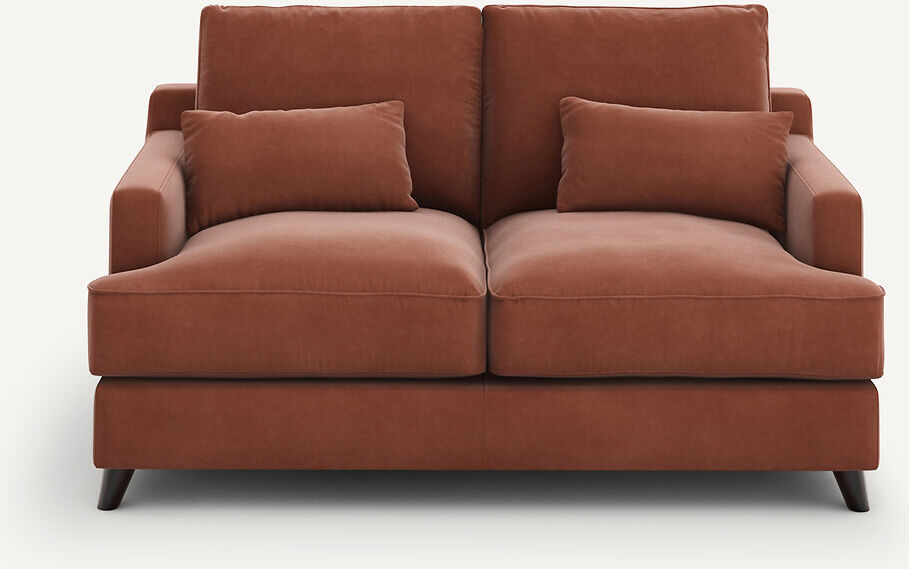
AM.PM Canapé compact velours, AlwineAlwine offre confort et élégance. L’épaisseur de ses coussins d’assise ainsi que sa profondeur généreuse, en font un canapé particulièrement convivial et réconfortant.Ses pieds évasés dynamisent sa silhouette et lui insufflent une touche contemporaine. Souligné d’un élégant passepoil, un canapé raffiné à l’allure intemporelle. Une création AMPM, fabriquée en Italie. Confort d'assise : équilibré Confort de dossier : équilibré Assise : hauteur et profondeur standard Dimensions • Longueur : 150 cm • Hauteur : 83 cm • Profondeur : 100 cm • Assise : L125 x H46 x P50 cm • Poids : 55kg Description • Revêtement : 100% polyester 335 g/m2, velours • Finition surpiquée • Échantillons de tissus disponibles sur le site, tapez "Échantillons Alwine" dans le moteur de recherche. • Structure : panneau de particules, multiplis, sapin massif • Suspension : sangles élastiquées entrecroisées pour un confort souple • Pieds : hêtre vernis nitrocellulosique, teinté wengé • Hauteur des pieds : 8 cm • Nombre de personnes recommandées pour le montage : 2 Garnissage • Assise (2 coussins) : mousse polyuréthane densité 35 kg/m3 et flocons de fibre polyester pour un accueil équilibré • Dossier (2 coussins) : fibres polyester + chips en polyuréthane • Coussin cale-reins (2 coussins) : fibres polyester • Dimensions des coussins cale-reins : 47x27 cm • Structure : mousse polyuréthane densité 18/30 kg/m3 et fibres polyester Entretien • Entièrement déhoussable par fermetures à glissière • Nettoyage à sec Garantie • Garantie commerciale La Redoute 5 ans : structure • Garantie légale 2 ans : revêtement • Ce produit est vendu pieds à monter soi-même. • FABRIQUÉ EN ITALIE. • FABRICATION À LA DEMANDE. Notre fabricant réalise votre canapé sur commande, en fonction de vos choix de taille, de confort, de revêtement et de coloris. Pas de surproduction, pas de matières premières utilisées inutilement. • BOIS ISSU DE FORÊTS GÉRÉES PLUS DURABLEMENT. Le bois certifié FSC® est issu de forêts bien gérées sur le plan environnemental, social et économique. Dimensions et poids des colis 1 colis • L157 x H72 x P106 cm, 62 kg1840,00 €*Shipping: 49,90 €Secure redirect to the provider
-
Why are intermolecular bonds typically weaker than covalent bonds?
Intermolecular bonds are typically weaker than covalent bonds because they involve interactions between molecules rather than within a single molecule. In intermolecular bonds, the attractive forces between molecules, such as van der Waals forces or hydrogen bonding, are weaker than the strong sharing of electrons in covalent bonds. Additionally, intermolecular bonds are more easily broken or disrupted by changes in temperature or pressure, leading to lower bond energies compared to covalent bonds. **
-
Why are intermolecular bonds generally weaker than electron pair bonds?
Intermolecular bonds are generally weaker than electron pair bonds because they involve interactions between molecules, which are larger and less localized than the interactions between atoms in a covalent bond. In intermolecular bonds, the attractive forces are typically weaker due to the larger distance between molecules and the lack of direct sharing of electrons. In contrast, electron pair bonds involve the sharing of electrons between atoms, leading to stronger and more localized bonding interactions. **
-
Why are intermolecular bonds typically weaker than electron pair bonds?
Intermolecular bonds are typically weaker than electron pair bonds because they involve interactions between molecules rather than within a single molecule. In intermolecular bonds, the attractive forces between molecules are generally weaker than the covalent bonds that hold atoms together within a molecule. Additionally, intermolecular bonds are usually based on weaker forces such as van der Waals forces, hydrogen bonding, or dipole-dipole interactions, which are not as strong as the sharing or transfer of electrons in covalent or ionic bonds. **
-
Why are polar bonds lower in energy than nonpolar bonds?
Polar bonds are lower in energy than nonpolar bonds because they involve the unequal sharing of electrons between two atoms with different electronegativities. This unequal sharing creates a dipole moment, which results in an attractive force between the partially positive and partially negative ends of the molecule. This electrostatic attraction lowers the overall energy of the molecule compared to nonpolar bonds, where electrons are shared equally. As a result, polar bonds are typically stronger and more stable than nonpolar bonds. **
* All prices are inclusive of VAT and, if applicable, plus shipping costs. The offer information is based on the details provided by the respective shop and is updated through automated processes. Real-time updates do not occur, so deviations can occur in individual cases. ** Note: Parts of this content were created by AI.